
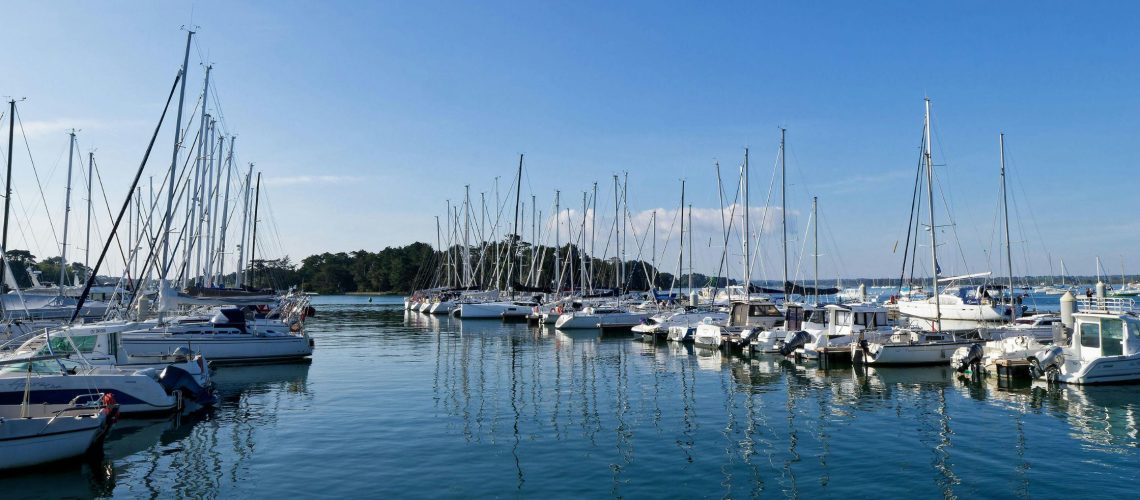
After your cockpit vinyl cracked and mildewed by midsummer, you realized harsh UV and salt spray don’t forgive guesswork. You need fabrics that resist the sun, moisture, and abrasion, clean easily, and won’t harbor mold. Acrylics and marine-grade vinyls with anti-microbial finishes often excel, but water type, traffic levels, and hardware quality matter, too. Before you buy, match materials to use cases, compare warranties, and ask smarter questions—because the wrong choice gets expensive fast.
The Marine Environment Challenges
Even before you pick a color, the marine environment forces you to think about moisture, UV, salt, and dirt that attack fabrics every day.
Balance marine weathering effects with how passengers use the seats, bunks, and panels. Evaluate freshwater versus saltwater exposure, splash zones, and cleaning access.
Apply moisture management techniques—barriers, venting, quick-dry cores—to block wicking and mildew. Check claims with fabric performance testing for UV, abrasion, hydrostatic pressure, and cleanability.
Assess marine upholstery standards for fire, toxicity, and durability. Weigh an environmental impact assessment to compare recyclability and coatings.
Match flexibility to curvature to prevent premature failure.
Key Performance Traits to Prioritize
While color and hand feel can sway you, prioritize traits that survive marine abuse: UV stability to slow fading and embrittlement; abrasion resistance for high-traffic seating; cleanability and stain resistance against sunscreen, fish oils, and spills; hydrolysis and salt resistance to prevent cracking; anti-microbial properties to deter mildew; fire retardancy to meet codes; and dimensional stability with adequate flexibility for curves.
Choose smarter when you compare fabric performance metrics, not just aesthetic fabric choices. Seek marine fabric innovations that boost outdoor fabric durability without adding bulk. Check topcoat chemistry, backing integrity, and seam strength.
Plan early maintenance for fabrics: specify compatible cleaners, rinse routines, ventilation, and quick-dry construction.
Matching Fabrics to Freshwater vs. Saltwater
Salt and sun punish materials differently than freshwater and shade, so you should match fabrics to the water you run.
In salt, prioritize saltwater fabrics with high UV stability, corrosion-proof hardware compatibility, and top-tier moisture resistance; salts abrade threads and attack coatings, so fabric durability and cleanability matter most.
In lakes and rivers, choose freshwater fabrics that balance mildew defense with a softer hand and fabric aesthetics. Favor acrylics and vinyls with anti-microbial finishes for brackish zones. Avoid rayon near the spray. Verify that the seam threads and zippers resist salt.
In calmer freshwater, you can widen choices, but still guard against algae, dirt, and UV.
Best Choices for Seats, Cushions, and Panels
Now that you’re matching fabrics to your waters, focus on what sits under you and around you: seats, cushions, and panels.
Prioritize cushion comfort, seat style, panel protection, and fabric longevity without sacrificing aesthetic appeal. Choose UV-stable, easy-clean options that resist mildew and abrasion.
1) Seats: Pick marine vinyl or synthetic leather with high abrasion ratings and stitched venting; they balance seat style and wipe-clean practicality.
2) Cushions: Use quick-dry foam wrapped in acrylic or microsuede for a soft touch and cushion comfort; add breathable backing.
3) Panels: Specify coated vinyls or polypropylene blends for panel protection, heat-formed fit, and stable seams.
Verify warranties and care steps.
Comparing Popular Marine Textile Options
Before you pick a pattern, compare how top marine textiles actually perform:
- Sunbrella acrylic excels at UV and mildew resistance with easy cleaning;
- Crypton adds a permanent moisture barrier and strong anti-microbial protection;
- Marine vinyl and synthetic leathers offer wipe-clean durability and high abrasion resistance;
- Polypropylene stays lightweight and resists chemicals;
- Nylon brings strength with minimal absorbency but can heat up in sun;
- and linen or wool deliver upscale texture, yet they demand careful ventilation and maintenance.
Use fabric durability comparisons and performance testing methods to match use cases.
Balance aesthetic design considerations with textile maintenance strategies.
Track marine fabric innovations, warranties, and salt/freshwater exposure to optimize long-term value without over-maintaining.
Care, Cleaning, and Maintenance Essentials
After weighing performance and warranties, the next step is keeping those fabrics performing like new. Wipe spills fast, then rinse with fresh water to prevent salt abrasion. Follow manufacturer instructions, and keep a laminated cleaner list onboard. Use gentle tools, not harsh brushes, to protect coatings and seams.
1) Apply protective coating applications as directed; spot-test first, then reapply after heavy use.
2) Master techniques for removing stains: blot, don’t rub; use pH-appropriate cleaners; rinse thoroughly to avoid residue.
3) Practice seasonal maintenance tips: inspect seams, practice fabric repair techniques, and follow fabric storage guidelines—clean, fully dry, roll or hang, and ventilate.
Store away from heat, oils, and sharp hardware.
UV, Mold, and Mildew Resistance Explained
Even in calm seas, UV, mold, and mildew pose the greatest threat to your fabric, so opt for materials and finishes that block sunlight and resist microbial growth.
Prioritize UV protection methods like solution-dyed acrylics, UV-stabilized coatings, and tight weaves.
Pick mildew-resistant materials—vinyls, polypropylene, and treated acrylics—since they shed moisture and discourage spores.
Use outdoor fabric treatments with broad-spectrum UV inhibitors plus antimicrobial finishes.
Apply mold prevention techniques: ventilate cushions, dry covers, and avoid trapped salt.
Rinse regularly, then spot-clean with approved marine cleaning solutions.
Follow manufacturer instructions to preserve warranties and protection levels, and re-treat high-exposure areas seasonally.
Durability, Abrasion, and Cleanability Trade-offs
While you want fabrics that last, marine upholstery forces trade-offs between durability, abrasion resistance, and cleanability. You’ll balance tough weaves that shrug off scuffs with surfaces that release sunscreen, tannins, and salt.
Use durability testing to compare options, but read beyond big numbers; hand, coating, and backing matter for fabric longevity.
1. Prioritize abrasion resistance where traffic is highest; select tighter weaves or reinforced synthetics.
2. Examine cleanability standards (like ASTM/ISO) and verify which cleaners won’t void warranties.
3. Plan maintenance routines: rinse salt, blot spills fast, and deep-clean on a schedule.
Match fiber chemistry to the use-case, and document care to keep performance consistent.
Eco-Friendly and Sustainable Fabric Trends
Because sustainability is finally catching up to performance on the water, you can now spec marine fabrics that cut VOCs, reduce microplastics, and survive sun, salt, and spills.
See sustainable sourcing go beyond buzzwords with traceable mills, closed-loop dye houses, and cleaner coatings.
Choose recycled fabrics spun from ocean-bound plastics and fishing nets.
Consider biodegradable materials for liners, wraps, and disposable covers where end-of-life matters.
Favor organic fibers in shaded interiors, then pair them with eco-friendly finishes that resist UV, mildew, and stains without PFAS.
Demand durability metrics, repairability, and take-back programs so greener choices actually outlast seasons.
Smart Questions to Ask Before You Buy
Sustainability only pays off if the fabric fits your real use. Ask pointed questions before you buy so performance matches your routines and waters.
1. How will you use it? Pin down sun hours, wet swimsuits, salt vs. fresh exposure, and cleaning habits. Prioritize fabric longevity strategies and moisture barrier options.
2. Will colors hold up? Verify test ratings and warranties; the importance of colorfastness increases with exposure to UV, sunscreen, and bleach.
3. What might change? Consider design changes, attachment methods, and replacement access.
Confirm child-friendly fabrics, anti-microbial protection, and cleanability. Compare vinyl, acrylic, and synthetics for abrasion resistance.
Request care instructions and compatible cleaners to protect warranties.
Boost Your Marine Experience with Leather Medic’s Knowledge
When it comes to marine fabrics, making the right choice is crucial for your boat’s longevity and appearance. But what happens when wear and tear inevitably set in? This is where Leather Medic shines. With extensive expertise in automotive leather and vinyl repair, as well as marine craft leather and vinyl services, we provide our clients with unparalleled solutions to keep their investments looking pristine. Our skilled technicians specialize in restoring and refinishing leather and vinyl, not just for boats but also for automotive and commercial applications, ensuring that every surface is protected against the elements.
Our commitment to quality means you don’t just get a service; you get a partnership in maintaining the beauty and functionality of your boat. With Leather Medic, you can confidently navigate any waters, knowing that your upholstery is in expert hands. Choose us for a seamless restoration experience that aligns with the durability and elegance you demand. Your boat deserves the best, and so do you—let Leather Medic help you weather any storm with grace.