
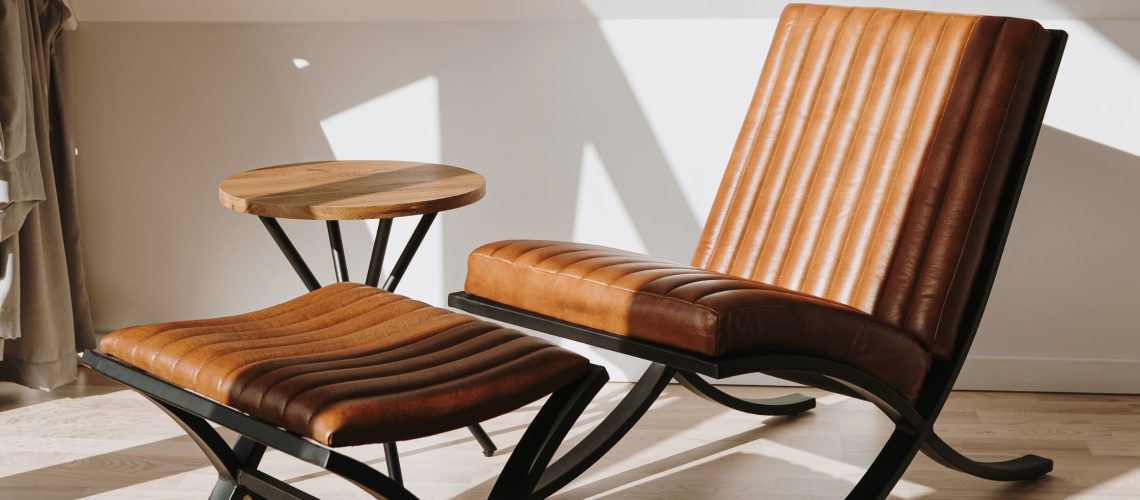
Last monsoon, a client’s leather sofa developed musty spots after a week of 80% humidity, but we reversed it with airflow, gentle cleaning, and timely conditioning. You can avoid that spiral by controlling moisture, setting a stable RH around 40–55%, and using breathable covers. You’ll dust more often, spot clean faster, and pick conditioners that won’t suffocate the hide. If you want fewer surprises—and a longer‑lasting finish—there are a few key habits to adopt next.
Understanding Humidity’s Impact on Leather
Even when leather looks tough, humidity quietly works against it. You’re dealing with a natural hide whose leather material properties include porous fibers that absorb ambient moisture. Those humidity effects swell fibers, soften structure, and invite microbial growth.
Without quick action, the leather aging process accelerates: dyes blur, finishes haze, and shapes warp. Use mold prevention techniques like routine dry wiping, brief indirect sun exposure, and alcohol-water spot cleaning when spores appear.
Condition judiciously to balance internal moisture. Build climate resilience strategies by monitoring relative humidity, allowing airflow, and spacing pieces.
With consistent habits, you’ll slow degradation and retain strength, color, and feel.
Smart Storage for Tropical Conditions
Smart storage starts with controlling air, light, and spacing so leather can breathe and stay dry.
Use Climate Control: Keep rooms between 40% and 55% relative humidity with AC or a dehumidifier.
Elevate furniture on feet to promote airflow and avoid damp floors. Choose open shelving and leave gaps between pieces.
Pick breathable covers, not plastic, to prevent trapped moisture.
Add moisture absorption with silica gel or desiccant canisters in cabinets and ottomans.
Block windows with UV protection film or lined curtains to prevent fading and heat buildup. Favor cool, shaded zones.
Rotate cushions periodically.
Label and standardize storage solutions to maintain consistency.
Daily and Weekly Cleaning Routines
While storage sets the stage, your day-to-day habits keep leather resilient in heat and humidity.
Begin with daily dusting using a dry, soft cloth; lift grit before it abrades finishes.
Follow with light Spot cleaning on spills: blot, then wipe with a barely damp cloth, and dry immediately.
Practice moisture monitoring—run a hand across seams and cushions; if they feel cool or tacky, increase airflow or dehumidification.
Do a quick routine inspection twice weekly for mold specks, dye transfer, or loose stitching.
Finish each week with gentle wipe-downs and weekly conditioning touch-ups only on high-use zones, avoiding buildup and over-wetting.
Conditioning Schedules and Products to Use
A consistent conditioning plan keeps leather supple, sealed, and less prone to humidity damage.
Set an optimal frequency based on leather types and climate considerations: every 6–8 weeks for aniline and nubuck in tropical humidity, every 8–12 weeks for protected or pigmented leather, and quarterly for bonded pieces.
Choose conditioning products with balanced oils and waxes; avoid silicone and heavy petroleum.
Apply light coats using a clean microfiber cloth, working on one panel at a time; allow the product to absorb, then buff it dry.
As maintenance techniques, spot-test first, clean before conditioning, and track dates.
For sun-exposed furniture, condition edges and seams slightly more often to prevent premature dryness.
Preventing and Treating Mold and Mildew
Because humidity feeds spores, mold, and mildew prevention starts with controlling moisture and acting fast at the first sign of fuzzy spots or musty odor.
Use humidity control solutions—dehumidifiers, AC, and airflow—to keep RH near 45–50%. For mold prevention techniques, dust weekly and condition it on schedule to reduce porosity.
Use safe mildew removal techniques as soon as growth appears, and then treat the leather with antifungal agents.
1. Vacuum creases, then wipe with a diluted alcohol or vinegar solution; test first.
2. Apply a leather-safe fungicide; recondition afterward.
3. Follow leather drying tips: elevate cushions, use fans, and avoid heat sources.
Handling Spills and Stains in Damp Weather
Even a small spill can become a big problem in damp weather, so act fast and keep moisture from soaking in.
Use immediate response actions: blot, don’t rub, with a clean, dry cloth, working from the edge inward. Match spill management techniques to leather absorbency levels—aniline absorbs quickly; protected leather gives you seconds more.
Apply targeted stain removal products only after testing a hidden spot. For oils, use corn starch to draw out residue before a gentle cleaner.
Follow moisture control methods: lift cushions, promote airflow, and dry with a fan on low.
Once dried, lightly condition it to restore balance.
Advanced Protection: Dehumidifiers, UV Control, and Pro Care
Once spills and stains are under control, step up to long-term defenses that keep leather stable in hot, humid climates.
Start with humidity monitoring so you can hold indoor RH near 45–50%. Feel the dehumidifier benefits quickly: fewer musty odors, less swelling, and slower mold growth.
Add UV protection to stop fading and drying from window glare. Finish with scheduled professional cleaning and targeted leather treatment to replenish oils and seal pores.
1) Use a smart dehumidifier with continuous mode and a hygrometer.
2) Install UV films, shades, or low-E glass near furniture.
3) Book annual pro service; refresh conditioners seasonally.
Expert Care for Leather That Lasts
Leather thrives with consistent care, but the best results come from experts who know how to protect it in every environment—especially humid ones. That’s where Leather Medic makes the difference. Backed by decades of specialized experience, certified technicians, and a commitment to craftsmanship, Leather Medic helps clients prevent moisture damage, resist mildew, and restore beauty and durability across every setting.
- Automotive leather and vinyl: From seats to panels, Leather Medic repairs, re-dyes, and refinishes to keep interiors looking showroom-ready despite heat and humidity.
- Leather furniture repair and refinishing: Gentle cleaning, color matching, conditioning, and restoration extend the life of sofas, chairs, and ottomans while preserving the original look and feel.
- Marine craft leather and vinyl: Salt air and humidity are tough—Leather Medic’s marine-grade solutions repair, protect, and maintain seats and trim for long-term performance on the water.
- Commercial leather and vinyl: High-traffic spaces demand durable results. Leather Medic delivers efficient on-site repairs that minimize downtime and keep businesses looking polished and professional.
With Leather Medic, you get more than a service—you get a trusted partner who understands materials, climate challenges, and the importance of lasting value. Whether you need quick spot repairs, full refinishing, or preventive maintenance plans, Leather Medic protects your investment and elevates your space. Ready for leather that ages gracefully, not moldy? Contact Leather Medic and let certified experts keep your leather looking its best—season after season.